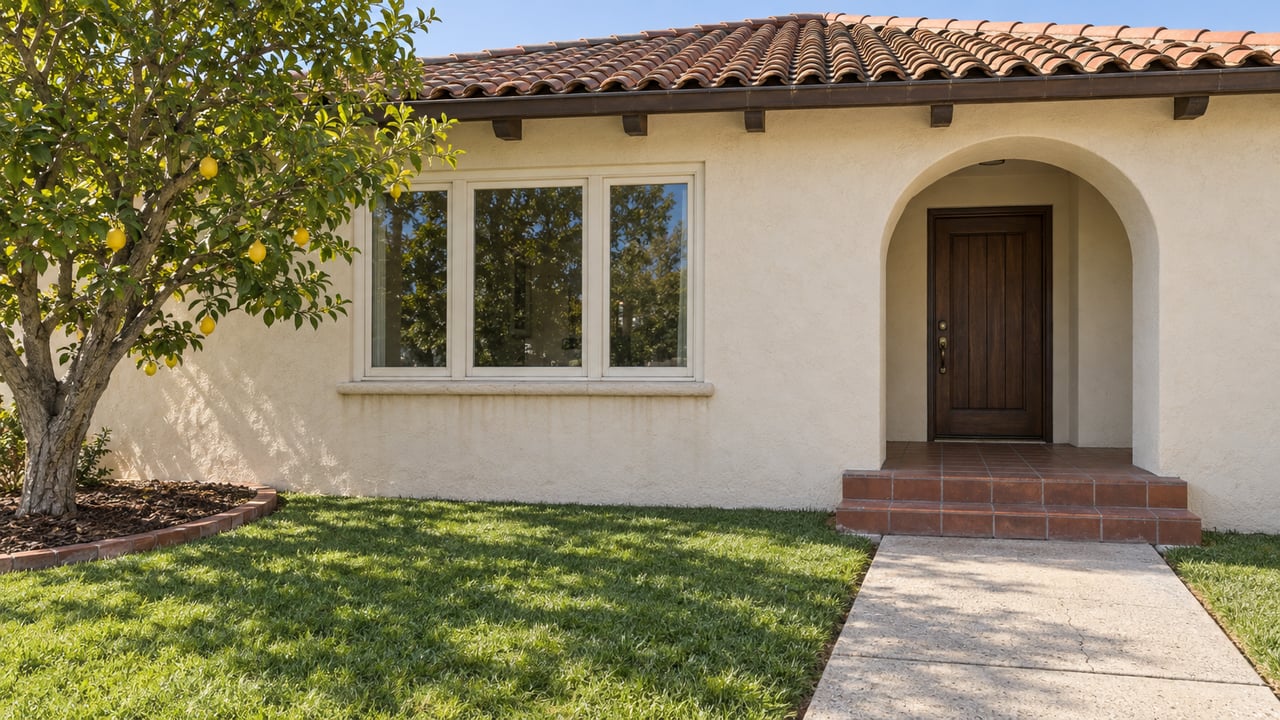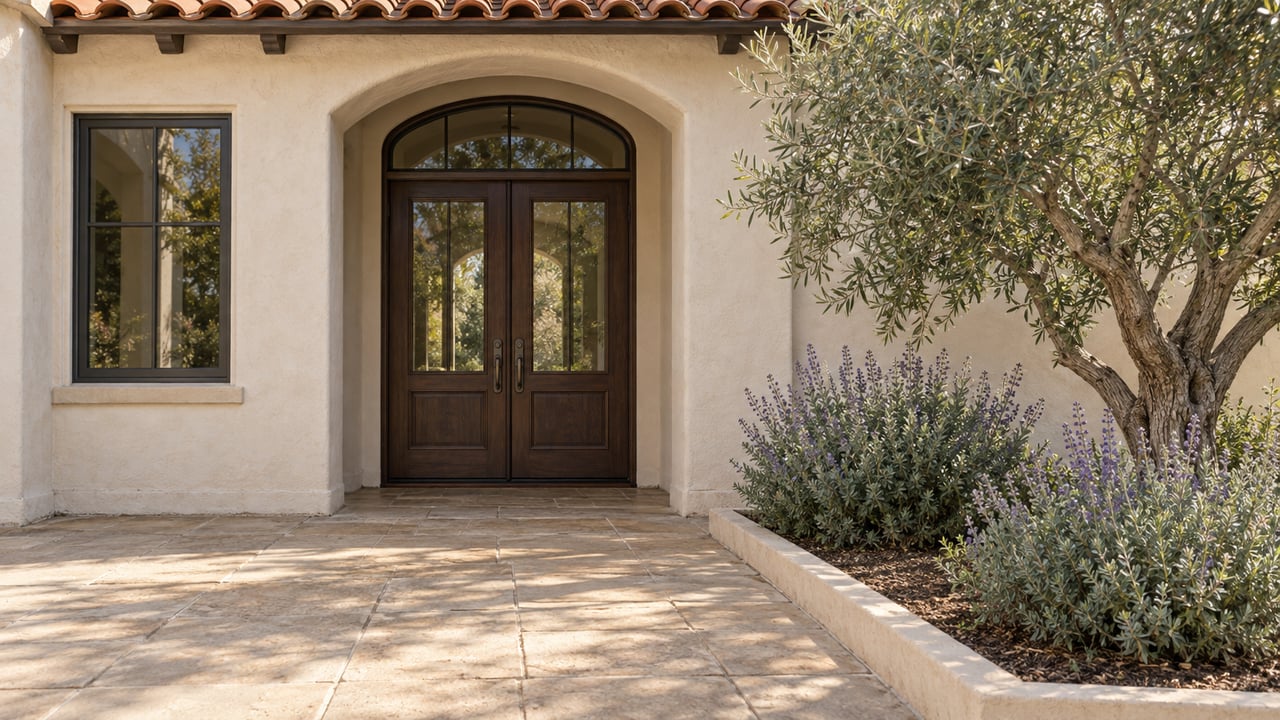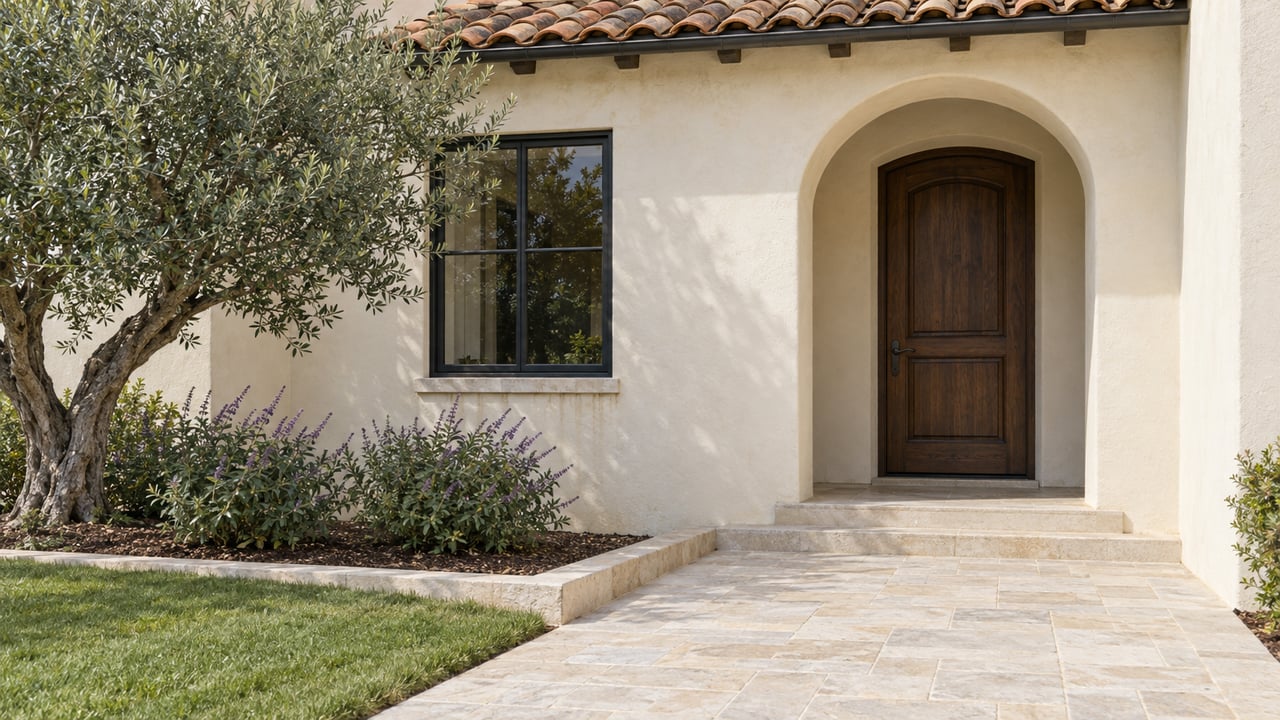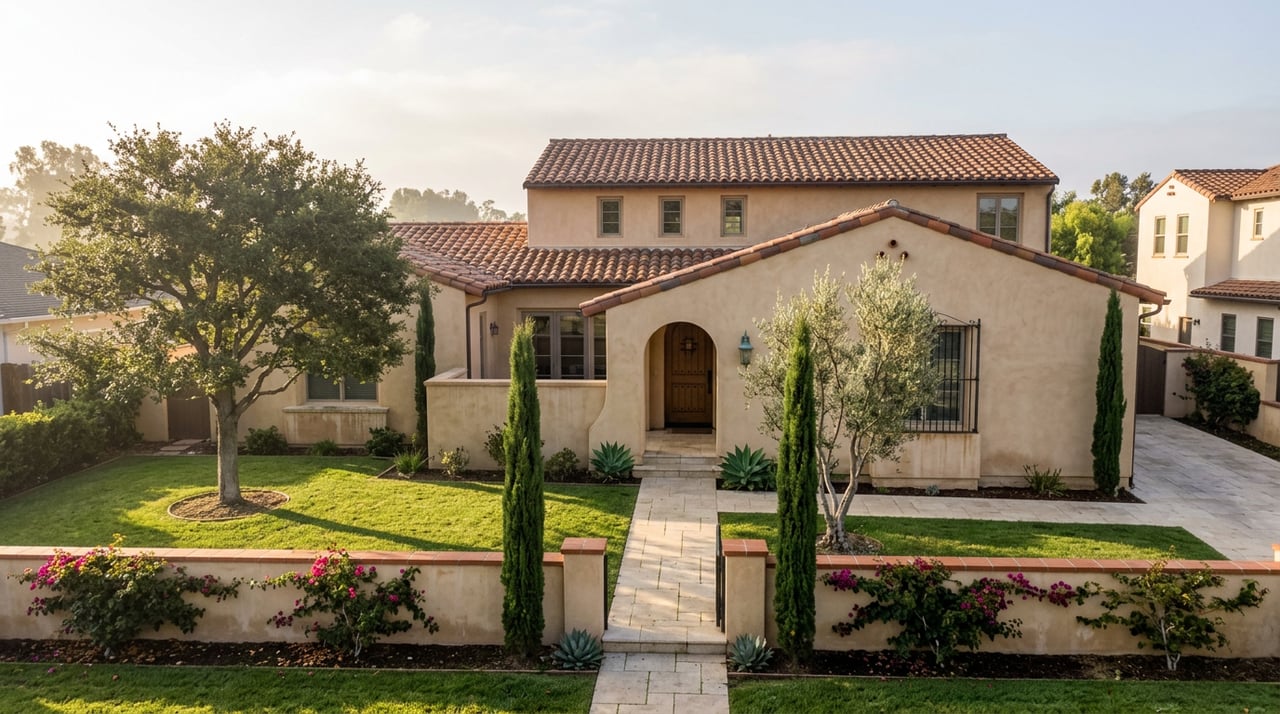
Drive Temescal Canyon Road on any Saturday this month and you pass all three of them within about four miles. A wagon pulling toward a pumpkin field. A parking lot filling up outside a gated hot springs resort. A boulder that has not moved since 1824. Each one runs on its own schedule, and each offers a different glimpse of the valley.
That is worth pausing on, because the three calendars do not just coexist. They tell you something about what kind of place this actually is. Temescal Valley is not one rhythm. It is a weekly reset, a twice-a-year turn, and a two-century line that has not budged, all layered on top of each other along the same few miles of road.
The weekly reset: Tom's Farms resets every Saturday morning
Tom's Farms, on Temescal Canyon Road, runs the fastest of the three clocks. Its Fall on the Farm season opened this year with a straightforward economics lesson built into the pricing. Jack-o-lantern pumpkins go for 49 cents a pound. Pie pumpkins run a flat $3.50. Gourds are 99 cents each or two for $1.89, a discount for buying two.
Getting to the pumpkins requires a ticket and a wagon ride out to the fields, and the ticketing rules reveal how the farm actually manages its own weekend traffic. Weekday tickets work any weekday. Weekend tickets work any weekend or Columbus Day. Tickets are non-refundable but fully transferable, giving ticket holders a way to reschedule if plans change. The market and bakery stay open without a ticket at all, so the cafe and its apple cider donuts are a separate, always-available layer from the pumpkin fields themselves.
What makes this the fastest clock in the valley is its weekly rhythm. A slow Tuesday has no bearing on a packed Saturday. A rained-out weekend just pushes ticket holders to the next one. That is a different kind of local rhythm than the other two calendars nearby, and it is worth noticing because it is the one that shapes the loudest, most visible version of fall in the valley even though it is the shortest-lived.
The seasonal turn: why Glen Ivy gets better once the heat breaks
A few miles away on Glen Ivy Road sits a hot springs resort that has been running in some form for over 166 years, since the mineral water was first advertised commercially in the Los Angeles Star back in 1860. Its clock turns only twice a year, and understanding why requires thinking about contrast rather than just temperature.
The mineral pools at Glen Ivy hold steady at roughly 104 degrees year-round. That number does not change with the seasons. What changes is the air around it. In the middle of a Temescal Valley summer, with ambient temperatures regularly climbing past 90 degrees, soaking in water that hot loses some of its appeal. There is no thermal contrast to feel. Spring and fall are the two windows when the air cools enough that stepping into a 104-degree pool actually registers as a sensation again, especially paired with the property's cold plunge option. That is the entire mechanism behind why locals treat fall as one of the two real seasons for a Glen Ivy visit, rather than a random preference.
The resort's specific offerings back this up as a place built around variety rather than a single soak. Club Mud is the property's red clay mineral bath, a feature unique to Glen Ivy among California spas. The Grotto is a separate underground body treatment in a cave-like chamber. The Ivy Kitchen serves farm-to-table meals on-site, so a visit is structured as a half-day or full-day experience rather than a quick dip. None of that changes week to week. It only shifts twice annually, which makes Glen Ivy the medium-speed clock in the valley, slower than Tom's Farms but far faster than what sits just up the road.
The clock that hasn't moved since 1824
Here is where the valley's rhythm stops resembling anything transactional. In 1818, a soldier stationed at Mission San Luis Rey named Leandro Serrano received a permit to graze cattle on roughly five leagues of land in what is now Temescal Valley. He built adobe homes for his family, planted orchards and vineyards, and established what he called Rancho Temescal. The site of his first adobe, constructed in 1824, is marked today by the Serrano Boulder, a California historical landmark still standing on Temescal Canyon Road.
That boulder is the slowest clock in the valley by a wide margin. It has not moved in two centuries, will not move next season, and does not respond to a good or bad weekend the way a farm stand does. The Temescal Heritage Foundation has spent recent years working to keep that history visible to residents who might otherwise drive past the marker without registering what it points to. It is easy to miss, tucked along a road better known now for a farm stand and a spa gate. The valley's water and grazing land are part of Serrano's story. Everything built since has followed the same ground.
Why the overlap matters more than any single stop
None of this is really about which pumpkin patch to visit or when to book a cabana. The point is that Temescal Valley operates on three different speeds at once: Tom's Farms brings a weekly autumn rhythm, Glen Ivy a seasonal one, and the Serrano Boulder a much longer historical perspective.
Living somewhere long enough to notice all three clocks running at different speeds is a different kind of familiarity than knowing the address of the nearest pumpkin patch. It is the difference between visiting a place and actually being oriented inside it. If you already live along Temescal Canyon Road, you have probably felt this without naming it. If you are still deciding whether this rhythm is one you want to settle into, our Temescal Valley neighborhood guide walks through more of what daily life here actually looks like across the seasons.
Whichever clock brought you to this page, The Alton Jones Team is always glad to talk through what a move to this part of Riverside County actually looks like day to day. Schedule a consultation whenever you are ready to talk specifics.