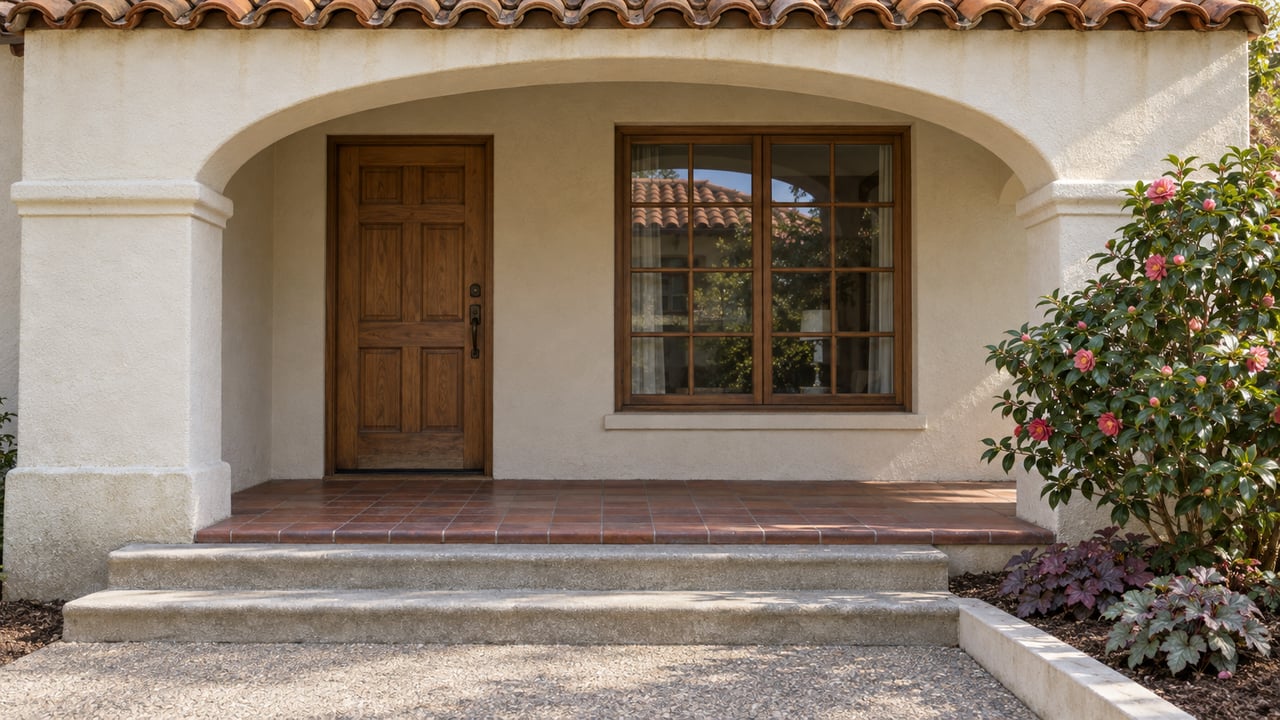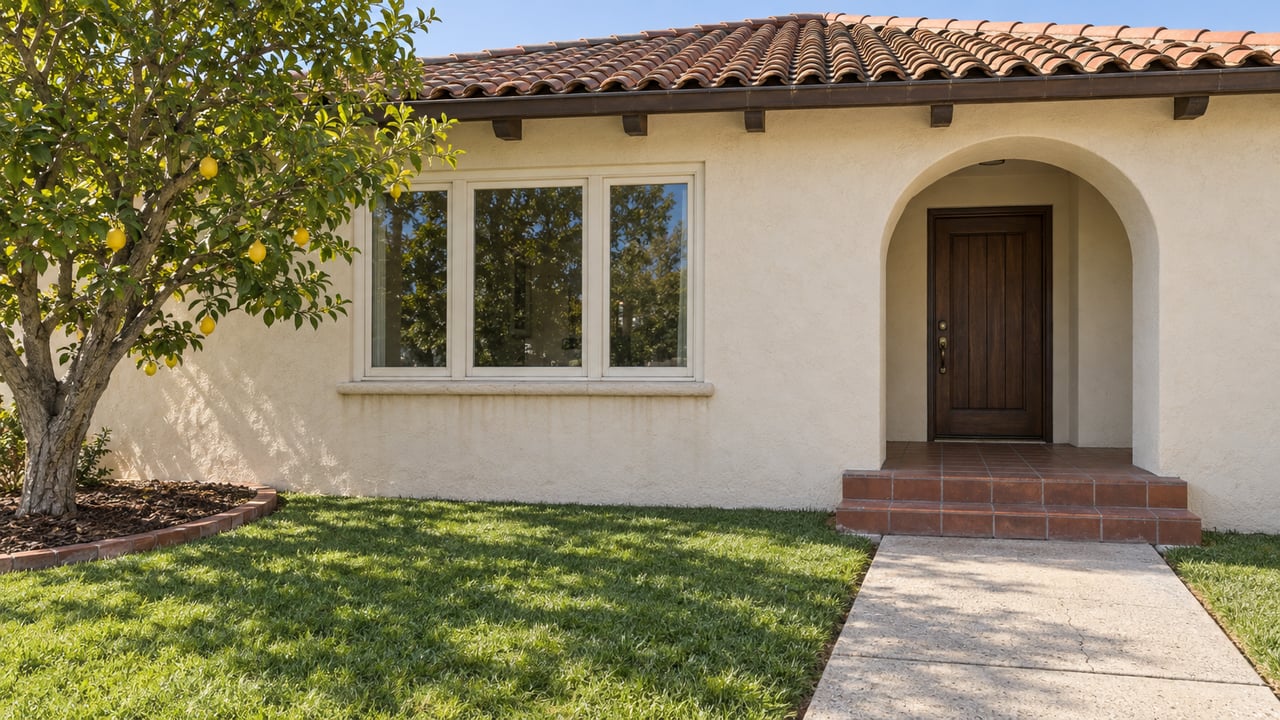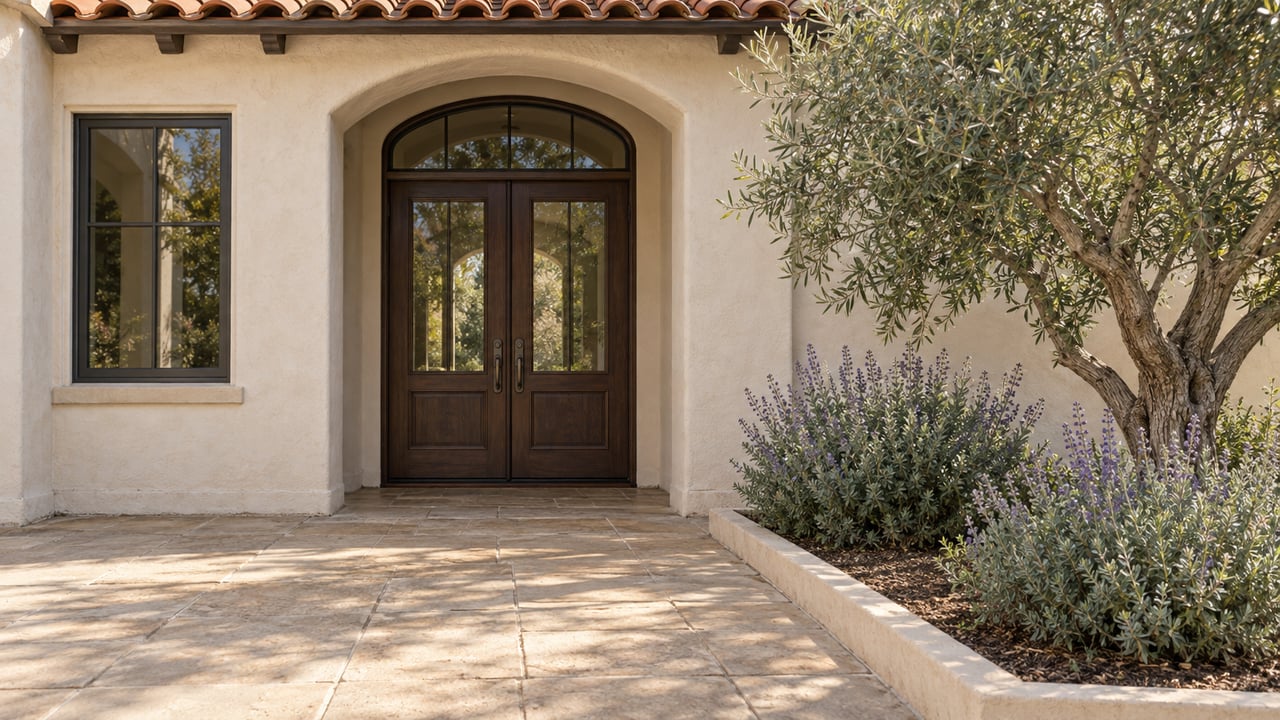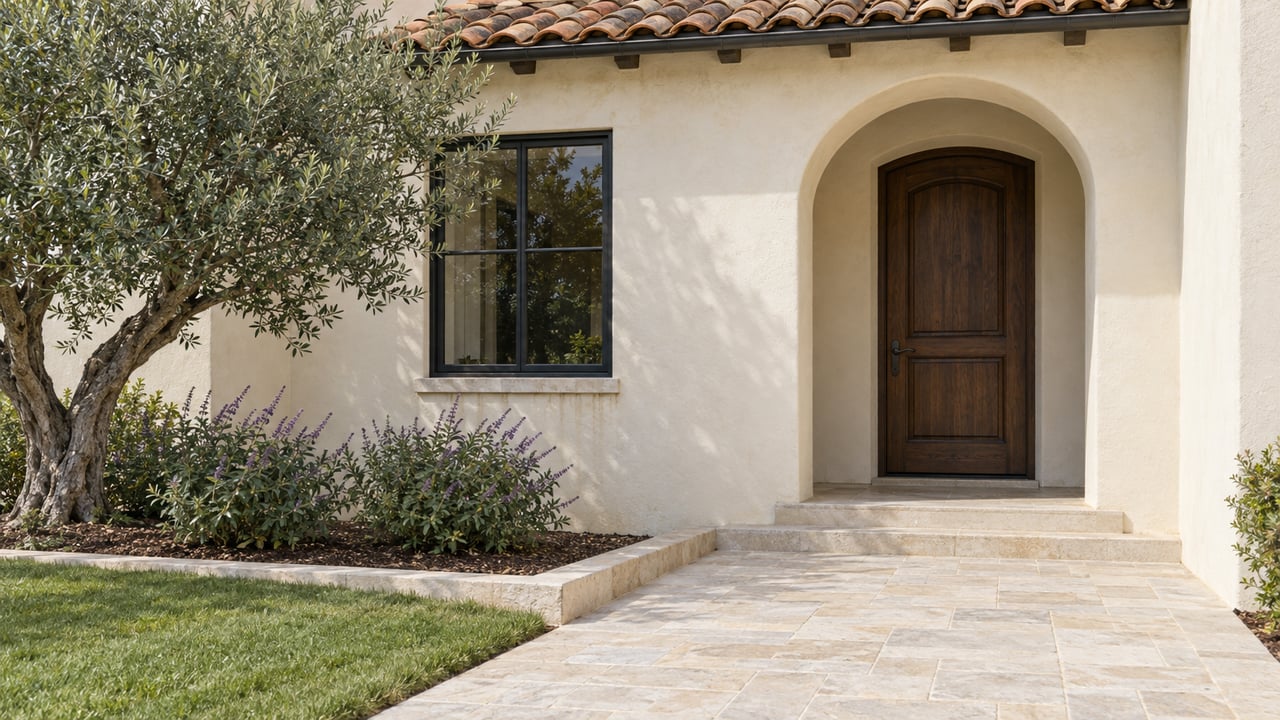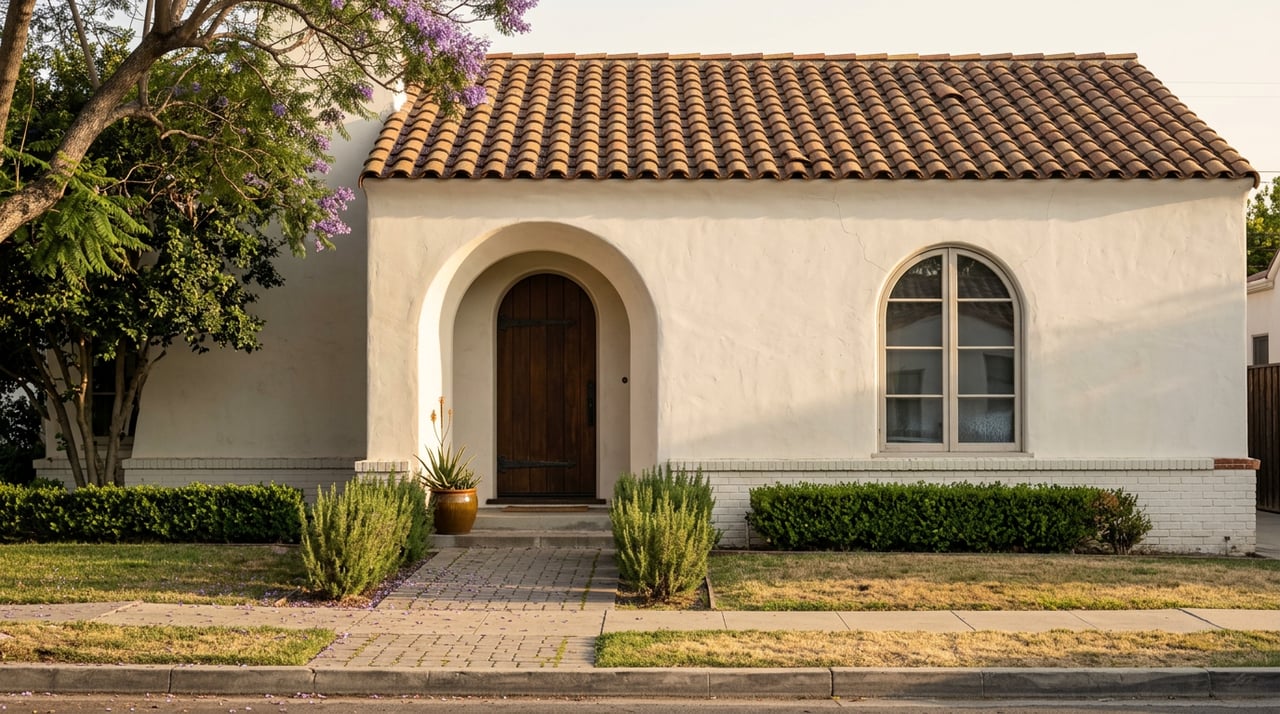
A buyer walks a 1920s Craftsman on one of the tree-named streets west of downtown Riverside, falls for the original hardwood and the built-ins, and goes home to research the Mills Act. The math looks generous: the City of Riverside says Mills Act participants may realize property-tax savings generally between 20 and 60 percent. The buyer decides the discount is a nice-to-have, not a must-have, and figures skipping the application keeps things simple.
That assumption is the expensive part. Whether or not this buyer ever files a Mills Act application, if that Craftsman is a designated historic property or a contributing structure inside a historic district, its owner needs a Certificate of Appropriateness from the city's Cultural Heritage Board for exterior alterations, additions, or repairs. The tax break is optional. The oversight is not.
What the Mills Act Actually Offers
The City of Riverside's Historic Preservation and Mills Act Programs page describes the Mills Act as a 1972 state law that lets cities like Riverside sign contracts with owners of qualified historic properties, trading a break on property taxes for a commitment to maintain and restore the home. Riverside accepts applications every year between January 1 and May 31. The paperwork carries a $126 non-refundable application fee plus a $957 contract initiation fee, and the contract runs a minimum of ten years.
The savings are real. The city describes reductions generally between 20 and 60 percent depending on the property and its current assessed value. For a home in Wood Streets or Heritage Square, that can mean thousands back every year.
But two details in the city's own program packet change the calculation for anyone assuming the Mills Act is theirs for the asking.
The Lottery Nobody Mentions
Riverside caps its Mills Act contracts. The city allocates an average of fifteen but no more than twenty new contracts per year, split roughly thirteen residential and two commercial. If the number of applications exceeds that cap, the city does not rank them by merit or urgency. It randomly selects which properties get a contract and which don't.
A buyer who closes escrow assuming the Mills Act will offset a stretched budget is betting on a lottery they can't see the odds of until after they've applied. And timing matters here too: a contract approved in 2025 doesn't start banking reinvestment credit until the fiscal year that follows recordation, and the first tax savings don't show up until the following fall's tax bill. This is a multi-year process, not a closing-table adjustment.
The Rule That Applies Whether You Win the Lottery or Not
Here's the part that gets lost in the tax-break conversation. Riverside's Title 20 Cultural Resources ordinance requires a Certificate of Appropriateness for any exterior alteration, addition, or repair to a designated historic property, or to any contributing structure inside one of the city's thirteen historic districts, Mills Act or not.
The review isn't a formality. The City of Riverside's Certificate of Appropriateness application form says applications typically take six to eight weeks, and the Cultural Heritage Board meets only once a month, on the third Wednesday, to hear board-level cases. Staff mails a report on the application twelve days before the hearing. Board minutes from a 2019 meeting show members can and do vote to deny a Certificate of Appropriateness when a project doesn't meet the ordinance's findings.
The design guidelines get specific about what "appropriate" means. The Citywide Residential Historic District Design Guidelines strongly discourage vinyl and aluminum replacement windows because they can undermine a structure's integrity even when gridded to mimic the original panes. Chain link is barred from anywhere visible from the street. Front yard fencing has to stay under three feet and open in style, and unpainted wood fencing is generally considered wrong for a front yard even though it might work in back. One planning document summed up the underlying philosophy for infill projects near older homes this way: the guidelines call compatibility "the single most important issue," particularly on height and bulk near existing historic structures.
None of this is contingent on the Mills Act. It's the price of the address itself, in Wood Streets, in Heritage Square, in the Mount Rubidoux district where bankers, growers, and citrus packers once built homes designed by architects like Franklin Burnham, G. Stanley Wilson, Robert H. Spurgeon, and Henry L.A. Jekel. Buy the history, inherit the review board.
What a Contributing Address Actually Costs You
| Contributing property, no Mills Act contract | Contributing property with Mills Act | Non-designated Riverside home | |
|---|---|---|---|
| Certificate of Appropriateness required for exterior work | Yes | Yes | No |
| Property tax relief | None | 20-60% typical, per city figures | None |
| Application odds | N/A | Capped citywide; random selection if oversubscribed | N/A |
| Exterior material restrictions (windows, fencing) | Yes | Yes | No |
The middle column looks like the best deal on paper. It's also the hardest one to actually land, and it comes with the same design constraints as the column next to it.
The Price Tag Is Harder to Pin Down Than the Portals Suggest
Underwriting any of this gets harder because Wood Streets doesn't sell enough homes in a given month for portal medians to hold still. Redfin's neighborhood data showed a median sale price of $579,798 for June 2026, down 15 percent year over year. Homes.com, pulling from the same CRMLS listings but a different trailing window, showed a median sale price of $657,500 for the twelve months ending around that same period, up 8 percent year over year. Both numbers come from the same small pocket of the city in roughly the same stretch of 2026.
That's not a data error. It's what happens when a handful of sales a month can swing a median by six figures depending on whether a fixer or a fully restored Tudor happened to close that quarter. Citywide, Riverside's broader market gives a steadier read. Redfin puts the three-month median ending June 2026 at $645,000, with homes selling in about 33 days on average. Zillow's most recent update, dated July 31, 2026, showed homes going to pending in around 20 days. Those are two different measurements, but both come from a market with enough monthly sales to hold still. Wood Streets doesn't have that volume, so a buyer pricing an offer off a portal snapshot there is pricing off noise.
What This Means If You're Underwriting a Renovation
For a buyer planning to update a contributing property, the design review timeline needs to sit inside the renovation schedule from day one, not get discovered after a contractor is already booked. Budget six to eight weeks for a Certificate of Appropriateness before exterior work starts, and plan window, fencing, and siding choices around what the guidelines already rule out rather than finding out at the hearing. Riverside's own Historic Resources Inventory can confirm whether a specific address is designated or eligible before an offer goes in, which is worth checking alongside a title report.
If the tax relief is part of the plan, treat the application window (January 1 through May 31) as a fixed date on the calendar, not something to get to eventually, and go in clear-eyed that the citywide cap means a strong application can still lose the draw. None of that changes whether the design review applies. It applies either way.
This is exactly the kind of property that rewards a team that already knows the contractors comfortable working inside these guidelines and the sequence that keeps a project moving instead of stalling in front of the Cultural Heritage Board. Our network of renovation and trade partners has handled that sequencing before, which matters more here than the sale price does.
A Few Questions Worth Asking Before You Write an Offer
Does the Certificate of Appropriateness apply if I never file for the Mills Act? Yes. The requirement attaches to the property's designation or its status as a contributing structure in a historic district, not to whether the owner holds a Mills Act contract.
How many historic districts does Riverside actually have? Thirteen, according to the Old Riverside Foundation, spanning areas from Wood Streets and Heritage Square to the Mount Rubidoux district and the Seventh Street corridor downtown.
If my Mills Act application gets denied by the lottery, can I reapply next year? The application window reopens every January 1, so a property that misses the cap one year can apply again the next cycle, though there's no guarantee of a different outcome.
Can the Cultural Heritage Board actually reject a renovation plan? Yes. Board minutes show denials have happened when a project didn't meet the ordinance's required findings on compatibility with the historic structure.
If you're weighing a Wood Streets bungalow, a Heritage Square duplex, or any other contributing property against a newer build elsewhere in Riverside, the numbers that matter most aren't the ones on the listing sheet. The Alton Jones Team works these details before an offer goes in, not after a contractor calls with a permit question. Schedule a consultation and let's price the whole picture, not just the address.
This article is general information, not legal, tax or financial advice. Consult a qualified professional about your situation.