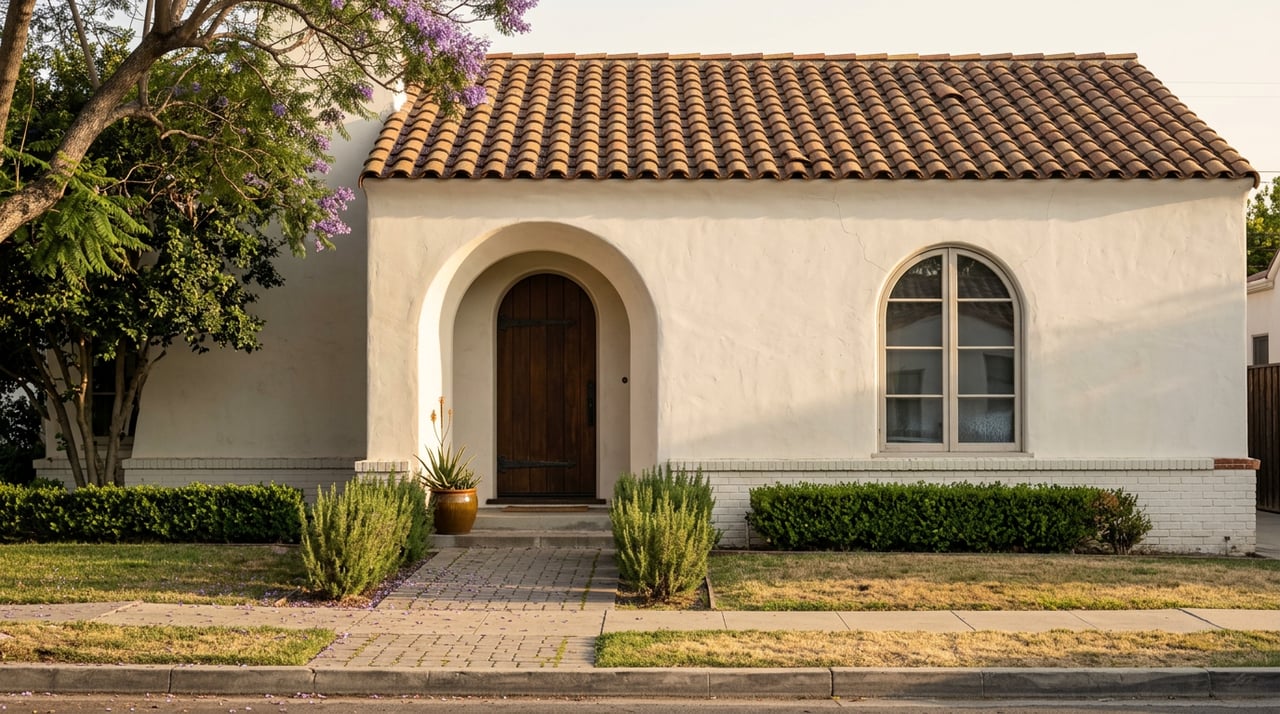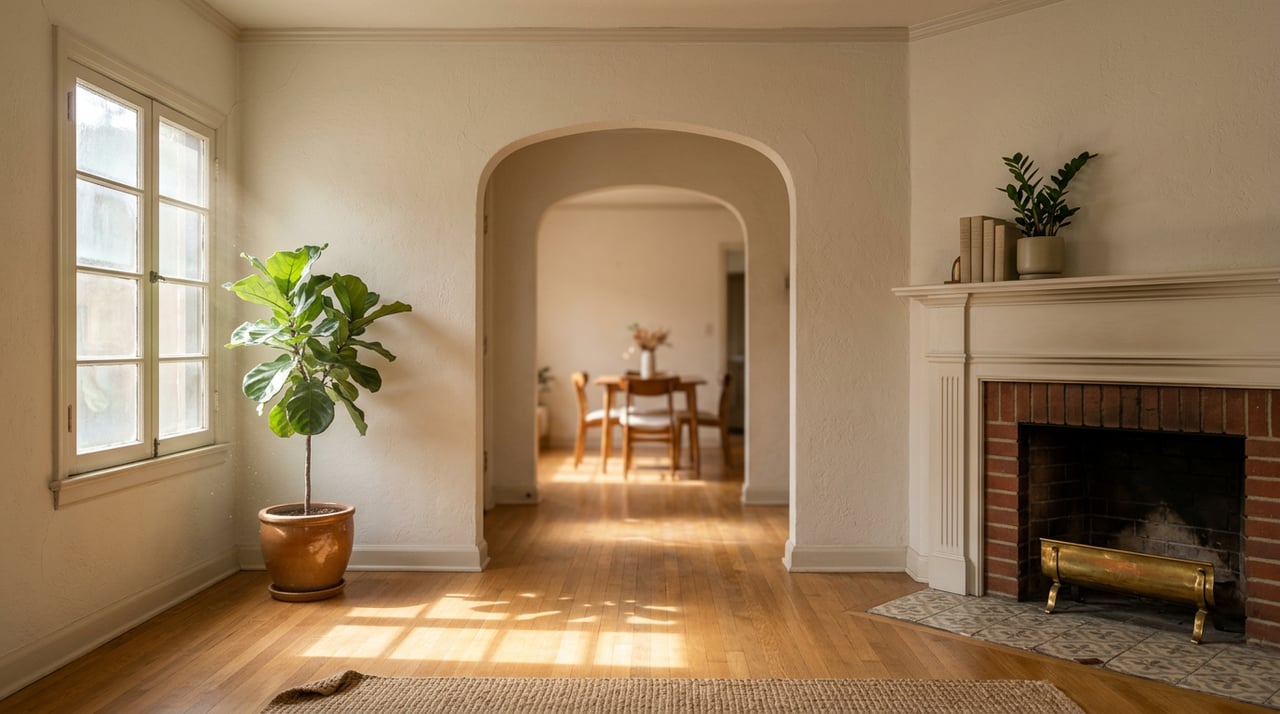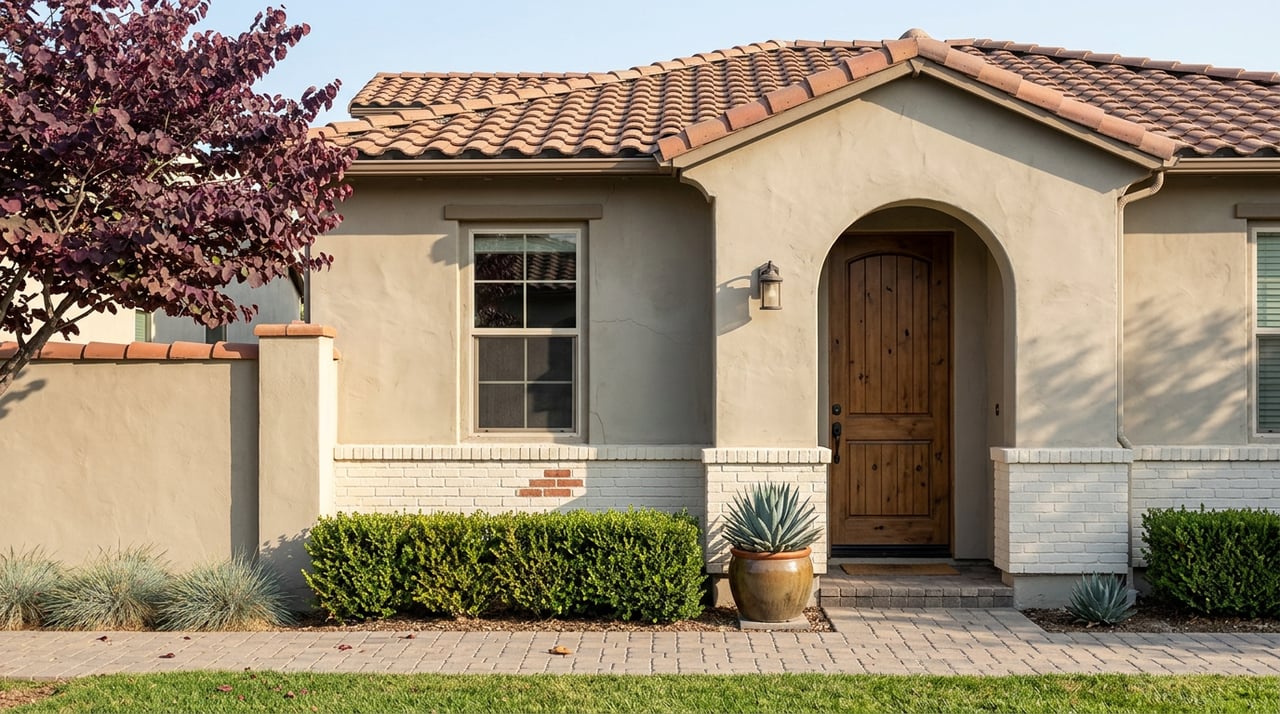
Two buyers look at homes listed within $10,000 of each other in Temescal Valley this month. Same square footage, same builder era, same general commute to the 91 and the 15. One buyer gets a clean pre-approval. The other gets a call from the lender asking for a bigger down payment or a different price range entirely. The homes looked the same on the portal. The loan estimates did not.
The difference usually isn't the interest rate or the buyer's credit. It's a line item that never shows up in the listing photos: the combination of homeowners association dues and Mello-Roos special taxes layered on top of the base property tax bill. In a valley built largely through master-planned Community Facilities Districts, that stacked cost can turn two similarly priced homes into two very different monthly obligations, and at today's borrowing rates, that gap is wide enough to change what a lender will actually let you buy.
The Number That Doesn't Show Up on the Listing
A Mello-Roos tax and an HOA fee are not the same charge, even though buyers often lump them together. The HOA fee is a private assessment that pays for landscaping, gates, and shared amenities. Mello-Roos is a public special tax, created under a Community Facilities District, that repays bonds issued to build the roads, water lines, and sewer infrastructure a new subdivision needed before the first house could be sold. It sits on your county tax bill next to your regular 1 percent Prop 13 base rate, but it isn't capped the way that base rate is, and it isn't calculated as a percentage of your home's value. Every district sets its own formula.
According to JVM Lending's 2026 buyer guide, Mello-Roos amounts nationally range from around $360 a year in older or smaller districts to more than $10,000 in larger, newer developments, with most buyers in active CFD communities paying somewhere between $1,200 and $6,000 a year. That same guide notes something buyers rarely think about until their lender runs the math: the special tax counts against your debt-to-income ratio exactly like your mortgage payment, your property tax, and your HOA dues. A $300-a-month CFD charge isn't a footnote. It's treated the same as $300 more in principal and interest, and it eats directly into how much home a lender will approve, not just how the monthly payment feels.
Why Temescal Valley Carries More of This Than Older Suburbs
Temescal Valley's newer communities were built precisely the way JVM Lending describes: through large, phased Community Facilities Districts that fund infrastructure before builders break ground. Terramor, the 55-plus and multigenerational community off Terramor Drive near the I-15 and Temescal Canyon Road interchange, confirms this directly in its own buyer FAQ. The community includes Mello-Roos financing to help fund public infrastructure and community improvements, and Riverside County's estimated effective property tax rate in these CFD-heavy communities runs approximately 1.7 percent, compared to the 1.1 to 1.3 percent typical in areas without a CFD overlay. Terramor's homeowners association itself covers 812 units, was built in 2019, and is managed by FirstService Residential's North Inland Empire office out of Rancho Cucamonga, which means HOA dues sit on top of that CFD tax rather than replacing it.
Sycamore Creek tells a similar story on a bigger scale. The 717-acre, roughly 1,740-home community south of Corona was developed in phases by Forestar Group, which took over management from the original landowner during the recession years and processed CFD reimbursement and fee credit agreements as lots were sold off to merchant builders including Lennar and Tri Pointe Homes before Forestar handed the HOA over to residents. Both Sycamore Creek and The Retreat draw their infrastructure financing from the Lee Lake Water District's Community Facilities District, the same public agency that issued the original bonds for water and sewer construction across these communities and that has, in past years, refinanced those bonds at lower rates as a cost-saving move for homeowners.
Here's what that means when you're comparing homes side by side. Recent Redfin figures for these sub-neighborhoods, as of May 2026, show The Retreat at a median of $898,389, Sycamore Creek at $779,000, Temescal Ranch at $729,950, and Horsethief Canyon Ranch at $709,999. The valley overall carried a median sale price of $724,566 in May 2026, down 5.3 percent year over year. A quick glance at those numbers tells you what the homes cost to buy. It tells you nothing about what they cost to carry.
| Community | Recent Median Sale Price | Known Tax or HOA Layer |
|---|---|---|
| The Retreat | $898,389 (May 2026) | Lee Lake Water District CFD plus gated-community HOA |
| Sycamore Creek | $779,000 (May 2026) | Lee Lake Water District CFD, tied to original Forestar development financing |
| Temescal Ranch | $729,950 (May 2026) | Verify CFD status per parcel with the county assessor |
| Horsethief Canyon Ranch | $709,999 (May 2026) | Verify CFD status per parcel with the county assessor |
Why the Math Bites Harder Right Now
Mortgage rates have not been kind to affordability this summer. Bankrate's national survey put the average 30-year fixed rate at 6.72 percent as of August 12, 2026. Freddie Mac's weekly Primary Mortgage Market Survey showed the 30-year averaging 6.69 percent for the week ending August 6, up from 6.66 percent the week before and higher than the 6.63 percent recorded a year earlier. The Mortgage Bankers Association's own weekly figure came in at 6.77 percent for loans up to $806,500 during that same window.
At these rates, every dollar of monthly obligation matters more to a lender's approval math than it did when rates sat two points lower. If a Community Facilities District tax adds $300 a month, the same rough midpoint JVM Lending uses for a $3,600 annual CFD charge, that amount doesn't just make the payment feel bigger. It occupies room in your qualifying ratio that would otherwise go toward loan amount. Two buyers with identical income and identical down payments can walk away from the same lender with different maximum purchase prices, purely because one home sits in a CFD and the other one doesn't, or because one CFD charges more than the other.
There's a tax wrinkle worth understanding too, though not one to lean on for planning without professional advice. The federal SALT deduction cap rose to $40,000 for 2026, up from the longstanding $10,000 limit, which JVM Lending notes may let more California homeowners capture some benefit from property tax and Mello-Roos payments than in recent years. Whether that applies to your specific situation depends on your full tax picture, and it's a conversation for a CPA, not a blog post.
The One Document That Settles It
Every source that covers Mello-Roos in depth points to the same fix: request the Rate and Method of Apportionment, or RMA, for the specific parcel before you write an offer. This document, prepared when the Community Facilities District was formed, spells out the current tax amount, the annual escalator, and the exact year the special tax sunsets once the underlying bonds are repaid. Most CFD bonds run 20 to 40 years from formation, so the remaining term on a district formed in the early 2000s looks very different from one formed after 2015.
Mello-Roos is also parcel-specific, not neighborhood-wide. Two houses on the same Temescal Valley street can carry different CFD obligations depending on which phase of a specific plan they were built in. The only reliable way to know is to pull the number for that exact address, either through the listing agent, the CFD administrator, or Riverside County's own tax records using the property's Assessor's Parcel Number.
A short gut check before you get attached to a listing:
- Ask for the HOA's current dues and any pending special assessments in writing.
- Ask whether the property sits inside a Community Facilities District, and if so, request the RMA.
- Add the HOA dues and the annual CFD tax together, divide by twelve, and hand that monthly figure to your lender before you get a final pre-approval number.
- If you're comparing homes across Terramor, Sycamore Creek, The Retreat, and older sections of the valley, run this math for each one separately. The sticker prices won't tell you which is actually more affordable.
A Few Questions We Hear Often
Does every home in Temescal Valley have Mello-Roos? No. It's tied to when and how a specific community was built, not to the valley as a whole. Newer master-planned sections financed through a Community Facilities District carry it. Verify per parcel rather than assuming based on the neighborhood name.
Is Mello-Roos the same as my HOA fee? No. The HOA fee is a private charge for shared community upkeep and amenities. Mello-Roos is a public special tax that repays infrastructure bonds. They show up on different bills and neither one replaces the other.
How long will I be paying it? Most CFD bonds are structured for 20 to 40 years from formation, with the tax ending once the bonds are paid off. The RMA document for your specific parcel will show the exact year.
Buying in Temescal Valley's master-planned communities can mean trails, clubhouses, and newer infrastructure that older subdivisions simply don't have. It can also mean a real cost that a list price alone won't show you. Before you fall for a floor plan, get the number that actually determines what you can afford. If you want a second set of eyes on that math for a specific address, or you're weighing a home in Terramor against one in Sycamore Creek or an older section of the valley, The Alton Jones Team can pull the disclosures, walk the numbers with you, and help you compare what these communities actually cost to own, not just what they cost to close on. Schedule a consultation before you write your next offer.